





RoFoam for Automotive
In the ever-evolving world of automotive design, lightweighting and performance are paramount. Our chemically crosslinked RoFoam is perfectly fit for the automotive industry and the demanding needs of the modern car. RoFoam offers a combination of superior strength, minimal weight, and great versatility, making it the ideal solution for a variety of car parts and applications.
Elevate car parts with RoFoam
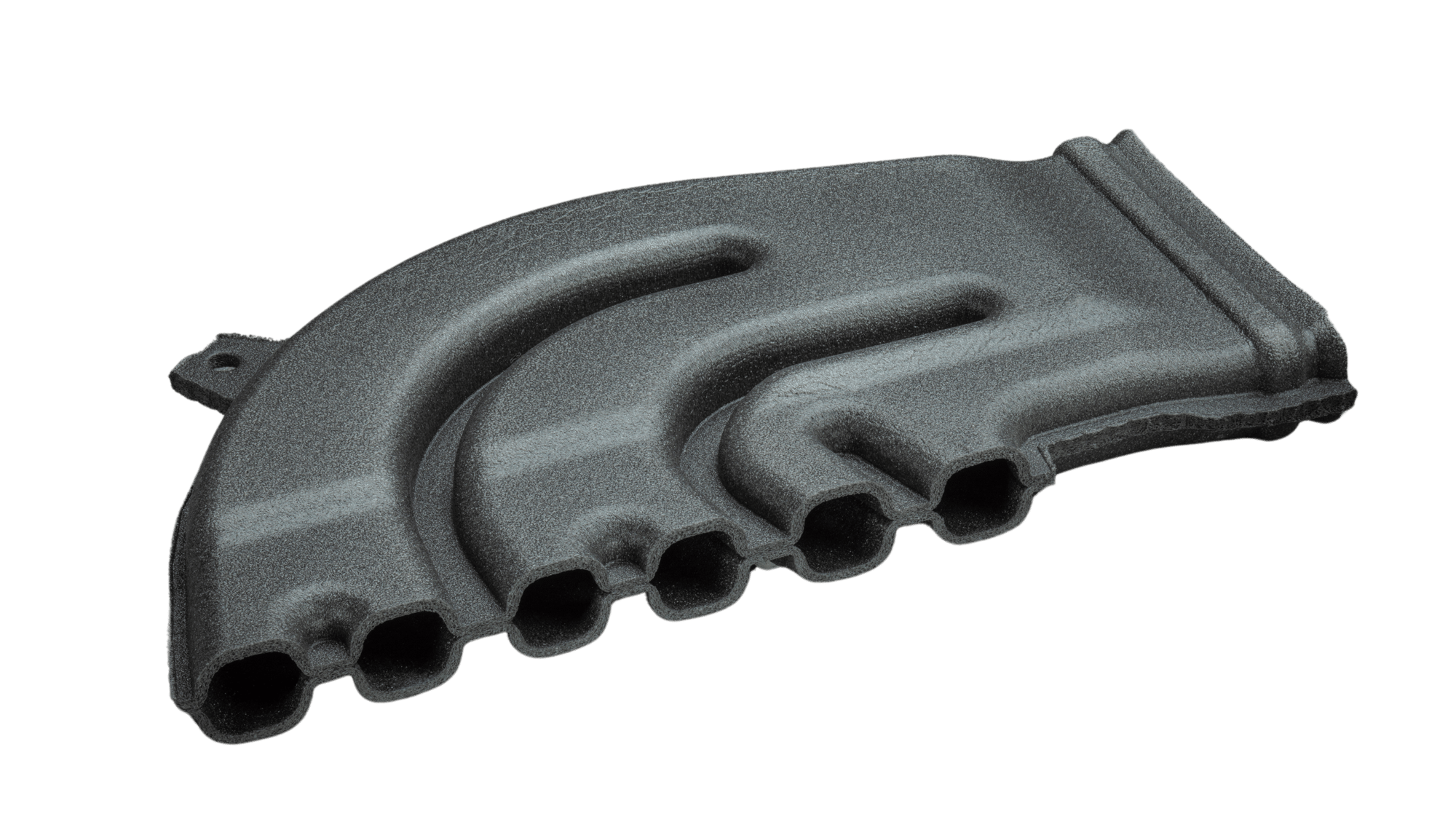
Acoustic insulation properties allow for noise reduction
Water resistance allows for excellent sealing capabilities
Durability ensures a long-lasting performance
Lightweight and flexibility allow for easy application
Acoustic insulation properties allow for noise reduction
Water resistance allows for excellent sealing capabilities
Durability ensures a long-lasting performance
Lightweight and flexibility allow for easy application


Certified according to FMVSS 302
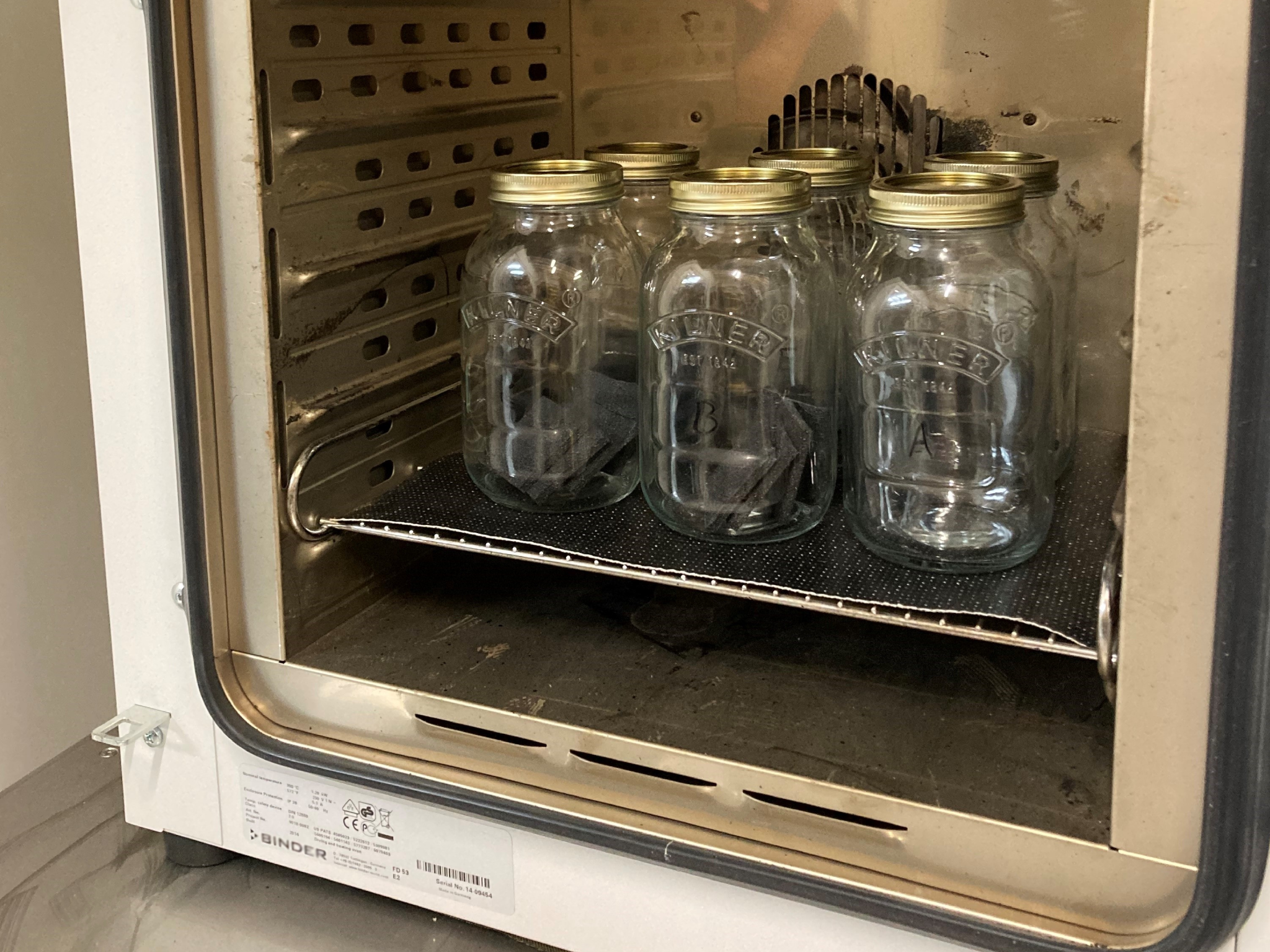
RoFoam is certified acccording to the FMVSS 302 (Flammability of Interior Materials) standard. This Federal Motor Vehicle Safety Standard No. 302 is used to determine the burn resistance capabilities of materials used in the occupant compartments of motor vehicles.
A test sample is aligned horizontally and exposed to a small Bunsen burner flame at one edge. The flame is applied for 15 seconds and then pulled away from the sample. The rate of flame travel across the sample is measured between two points. The pass/fail criteria is based on the burn rate across the test sample, with a maximum burn rate of 102 mm per minute.
Challenge our
R&D expertise
Our dedicated Research & Development team is here to collaborate!
Don't hesitate to bring your unique application challenge. We will work closely with you to develop a customized XPE foam solution that meets your specific needs.
News & Developments